
When it comes to the health of our beloved pets, ensuring they receive the best care is paramount. If your dog is experiencing neurological issues, consulting a dog neurologist in Maryland can be a crucial step in diagnosing and managing their condition. This blog explores the essential role of veterinary neurology and how it can benefit your furry friend.
What is Veterinary Neurology?
Veterinary neurology is a specialized field focused on diagnosing and treating disorders of the nervous system in animals. This includes the brain, spinal cord, nerves, and muscles. A neurologist for dogs is equipped with the expertise to handle complex neurological cases, employing advanced diagnostic tools and treatments.
Common Neurological Disorders in Dogs
Dogs can suffer from a variety of neurological disorders, each requiring specific attention and care. Some common conditions include:
Epilepsy: Characterized by recurrent seizures, this condition can be managed with medication and regular monitoring.
Intervertebral Disc Disease (IVDD): Often seen in breeds like Dachshunds, this condition affects the spinal discs and can lead to pain or paralysis.
Brain Tumors: These can cause a range of symptoms depending on their size and location, such as seizures or behavioral changes.
Symptoms Indicating a Need for a Neurologist
Recognizing the signs of neurological issues early can significantly impact your dog's treatment outcome. Symptoms that may warrant a visit to a veterinary neurology center include:
Seizures or convulsions
Sudden changes in behavior
Loss of coordination or balance
Persistent pain or discomfort
Weakness or paralysis in limbs
Diagnostic Tools and Techniques
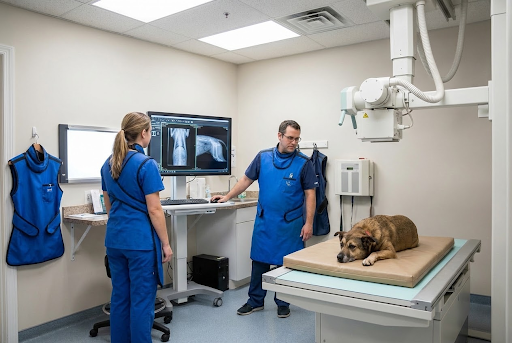
A dog neurologist in Maryland utilizes various diagnostic tools to accurately identify neurological disorders. These may include:
MRI and CT Scans: Provide detailed images of the brain and spinal cord.
Electrodiagnostic Testing: Assesses nerve and muscle function.
Spinal Fluid Analysis: Helps detect infections or inflammatory conditions.
Treatment Options Available
Once a diagnosis is made, the neurologist will develop a tailored treatment plan. Options can range from medication to manage symptoms to surgical interventions for more severe cases. Rehabilitation therapies, such as physical therapy or acupuncture, may also be recommended to improve mobility and quality of life.
Choosing the Right Veterinary Neurology Center
Selecting the right veterinary neurology center is crucial for the best care. Consider the following when making your choice:
Experience and Credentials: Ensure the neurologist has the necessary qualifications and experience.
Facilities and Equipment: A well-equipped center offers comprehensive services.
Client Reviews and Recommendations: Positive feedback from other pet owners can guide your decision.
The Importance of Early Intervention
Early intervention can make a significant difference in managing neurological disorders. Promptly consulting a neurologist for dogs can lead to more effective treatment plans and better outcomes. Regular check-ups and monitoring are essential for maintaining your pet's health and well-being.
Conclusion
Navigating neurological issues in dogs can be challenging, but with the right support, your pet can lead a happy and healthy life. Consulting a dog neurologist in Maryland ensures access to specialized care tailored to your pet's needs. By understanding the symptoms, diagnostic processes, and treatment options, you can make informed decisions for your furry companion's health.







Write a comment ...